Home > News > Official Release > Reflective Markings Enable Shared Safety for Humans and Machines
News


Reflective Markings Enable Shared Safety for Humans and Machines

    Road markings are crucial. Compared with street lights, signage and other safety facilities, road markings can have a lasting positive impact on road safety at a relatively low cost. At the same time, as technology advances, autonomous vehicles are considered an answer to the high accident rate.

WeChat picture _20231106110548.jpg

However, because autonomous vehicles rely on machine vision to guide them in the vast majority of cases, they cannot operate effectively on roads that lack maintenance. Therefore, mature autonomous driving technology solutions must include road markings that can be recognized by both human drivers and machine vision


1

Safe road marking system


A safe road marking is a system consisting of a base layer and a retroreflective layer. The base layer can be solvent-based or water-based, thermoplastic paint softened by heat, or two- or multi-component paint cured by a chemical reaction on the pavement.

Base layer - marking coating

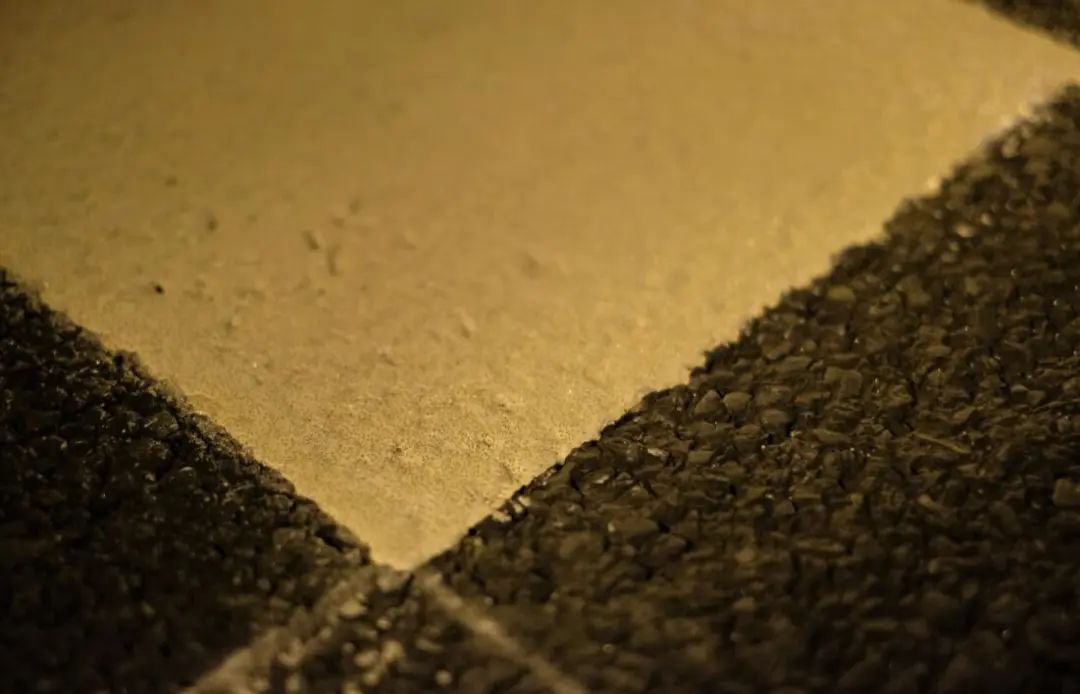
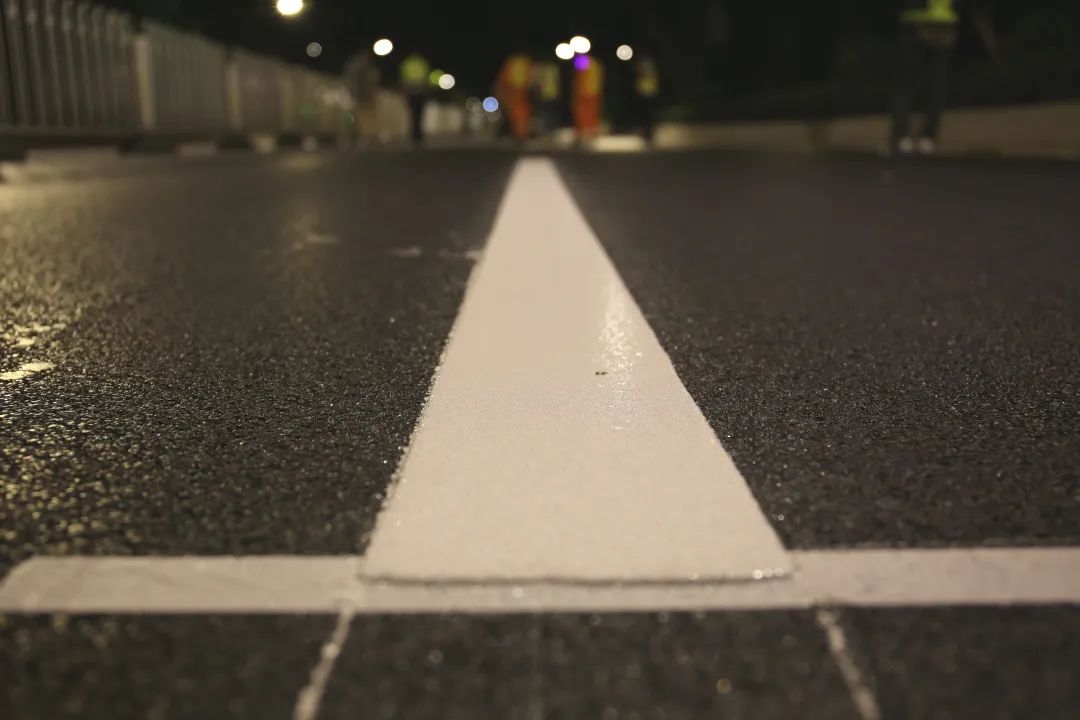
The base layer is a key component of the road marking system and can be divided into two categories: thin and thick. The thinner base layer usually does not exceed 1mm, and the construction method is mainly spraying. The thicker base layer can reach several millimeters, and the construction method is mainly scraping. The base layer has three main functions: to provide the color required for the reticle, to form a refractive surface for retroreflection, and to bond glass beads. The choice of base material determines the durability of the marking system, and choosing a base material with better weather resistance can significantly improve the quality of the marking.


WeChat picture _20231106110555.jpg
▲Two-component marking made using the spraying process, with a thickness of about 0.8mm
WeChat picture _20231106110559.jpg

                                                                                                 ▲Two-component markings made using the scraping process, with a thickness of about 2mm


Retroreflective layer - glass beads


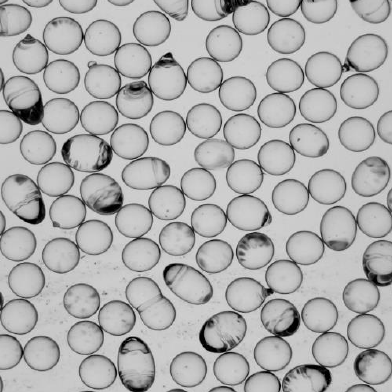
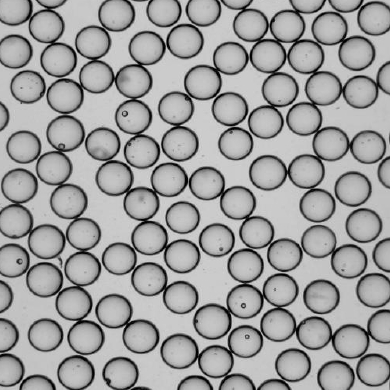
Glass beads are an integral part of road marking systems, providing retroreflection and protecting the base layer from wear and tear on more wheels to some extent. The refractive index (RI) is an important property of road glass beads. The standard glass bead has a refractive index of 1.5, and the refractive index of more advanced glass beads can be increased to 1.6. In some special applications, glass beads have a refractive index of up to 1.9. High-quality glass beads have better roundness and refractive index, and are more scratch-resistant.

                 WeChat picture _20231106110604.png                                                       WeChat picture _20231106110609.png

                                           Ordinary glass beads 630-700μm Advanced glass beads 630-700μm


2

Reticle reflection is crucial


Driving is a job that relies heavily on sight, and road markings provide a simple, continuous and clear reference to location. Road markings help vehicles stay centered in the lane, especially in curves.

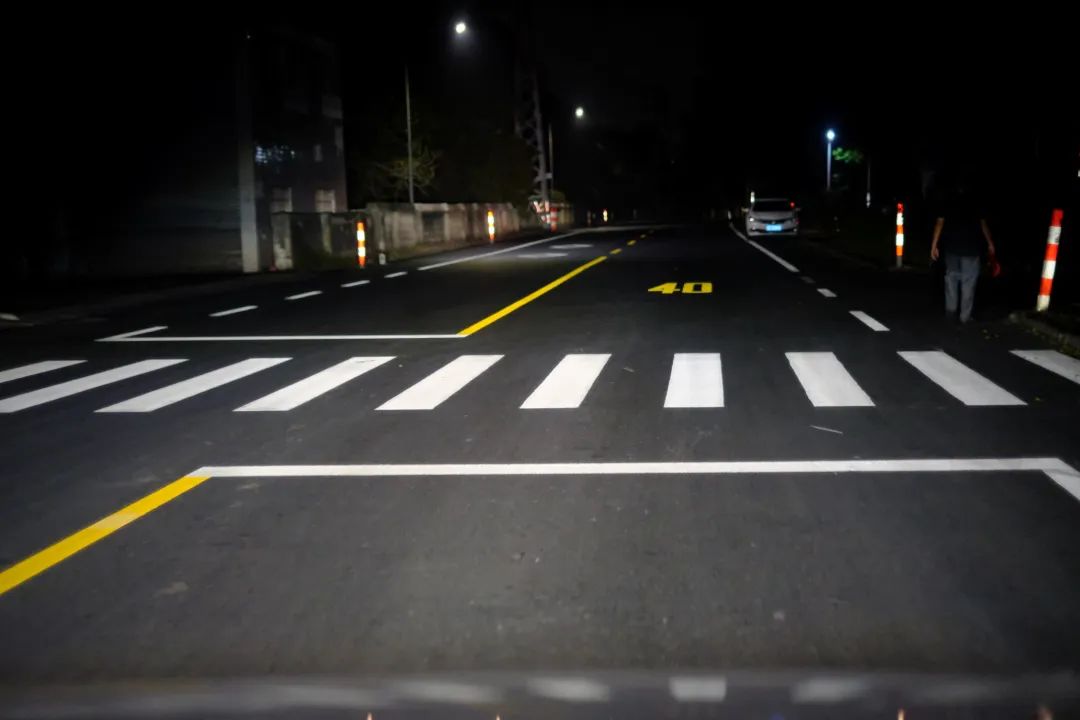
Reticle reflections are crucial when driving on roads that lack lighting at night. Studies have shown that darkness significantly reduces the quantity and quality of visual cues, so the accident rate and severity are significantly higher than during the day, although the traffic load is lower at night than during the day.


WeChat picture _20231106110613.jpg
                                                                ▲Two-component spray markings have excellent reflective effect in road sections lacking lighting / Guangdong Shunde Leliu

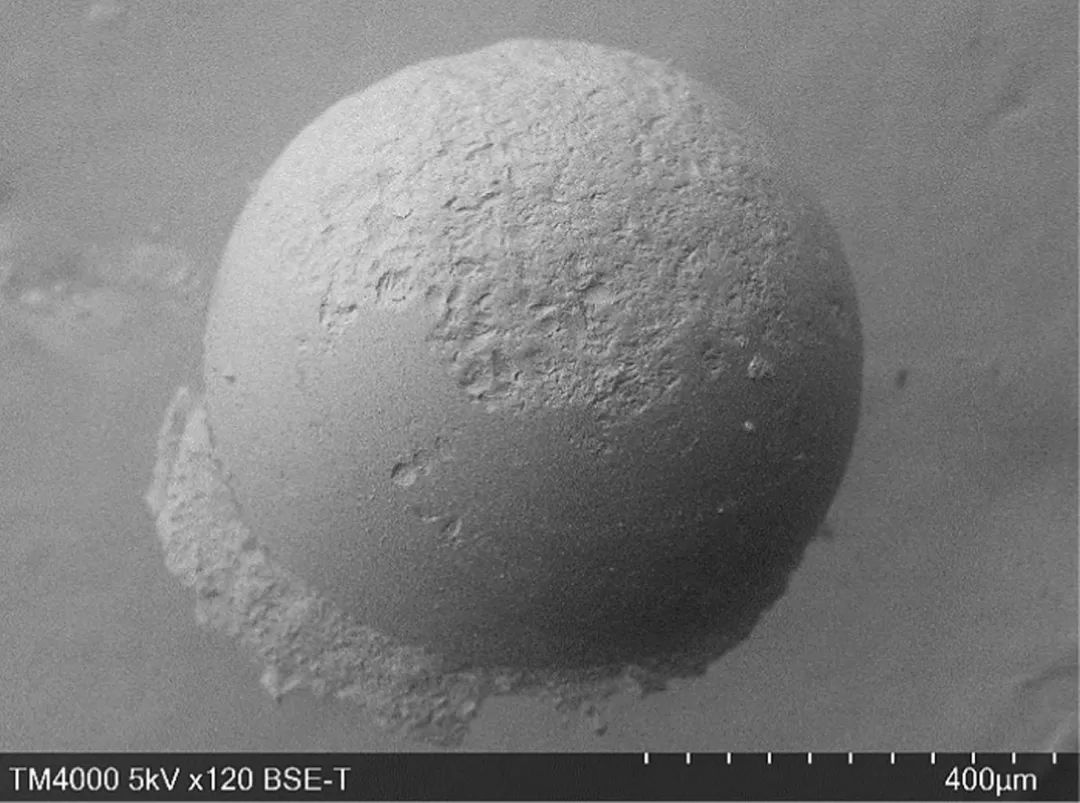
Road markings must be reflective so that they are clearly visible under the headlights. This is where glass beads work. The degree of reflection of the reticle depends on the type, quality and settlement of the glass beads, and during the use of the reticle, the wear of the surface of the glass beads will cause the attenuation of retroreflection.
WeChat picture _20231106110616.jpg

The surface wear of glass beads under the microscope


In the 2013 Journal of the Transportation Research Council, Texas A&M University confirmed the correlation between the retroreflection coefficient and traffic safety. It was found that for every 100 mcd/m²/lx increase in the retroreflection coefficient of road markings, the accidents related to intersections could be reduced by 23%.


3

The role of reflective markings in autonomous driving

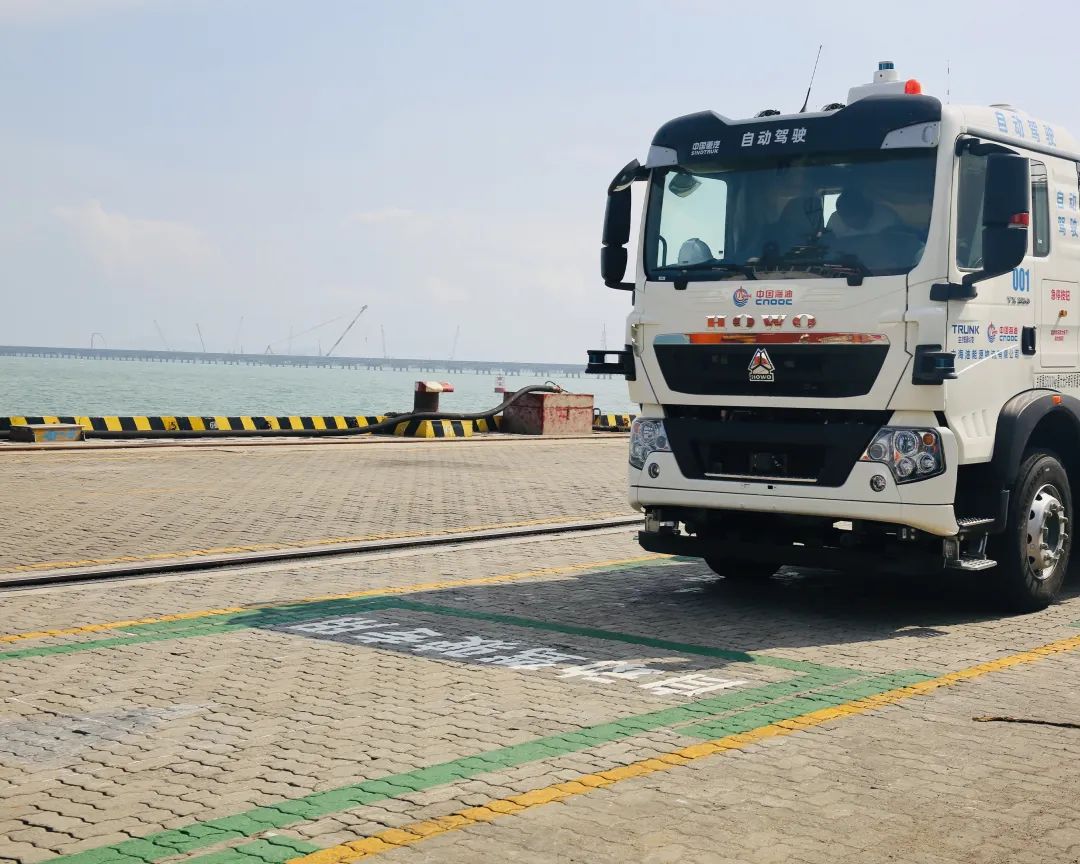
Currently, about 90% of accidents are caused by human error. Therefore, it is widely believed that adding more sensors, or replacing human drivers with sophisticated computers, can reduce the occurrence of accidents. However, without properly maintained road markings, the autonomous driving system cannot function properly. This is because autonomous driving systems still rely on road markings to determine the vehicle's position in the lane


WeChat picture _20231106110623.jpg

Two-component spraying markings for autonomous driving lanes/Daya Bay, Huizhou, Guangdong

The increase in the retroreflection coefficient of road markings will make the lane departure warning system work more effectively. Almost all machine vision-based automation systems require road markings to be reflective for effective identification at night.


4

Epilogue


In the foreseeable future, road markings will guide not only human-driven vehicles but also computer-controlled cars. Proper maintenance of road markings and maintenance of road markings at a high level are absolutely essential until full automation becomes a reality.

With their excellent characteristics, two-component materials are gradually replacing thermoplastic materials as the mainstream of road markings. Especially considering its visibility, durability, environmental friendliness and long-term cost, more and more high-grade highways are making it the preferred choice for road markings.

It is believed that with the popularization of new technologies and materials, new processes and standards will also emerge. Sanwin is helping to realize the "Vision Zero" through the transformation and application of new technologies and the continuous promotion of traffic safety concepts, so that humans and machines can share traffic safety.


News
Reflective Markings Enable Shared Safety for Humans and Machines

    Road markings are crucial. Compared with street lights, signage and other safety facilities, road markings can have a lasting positive impact on road safety at a relatively low cost. At the same time, as technology advances, autonomous vehicles are considered an answer to the high accident rate.

WeChat picture _20231106110548.jpg

However, because autonomous vehicles rely on machine vision to guide them in the vast majority of cases, they cannot operate effectively on roads that lack maintenance. Therefore, mature autonomous driving technology solutions must include road markings that can be recognized by both human drivers and machine vision


1

Safe road marking system


A safe road marking is a system consisting of a base layer and a retroreflective layer. The base layer can be solvent-based or water-based, thermoplastic paint softened by heat, or two- or multi-component paint cured by a chemical reaction on the pavement.

Base layer - marking coating

The base layer is a key component of the road marking system and can be divided into two categories: thin and thick. The thinner base layer usually does not exceed 1mm, and the construction method is mainly spraying. The thicker base layer can reach several millimeters, and the construction method is mainly scraping. The base layer has three main functions: to provide the color required for the reticle, to form a refractive surface for retroreflection, and to bond glass beads. The choice of base material determines the durability of the marking system, and choosing a base material with better weather resistance can significantly improve the quality of the marking.


WeChat picture _20231106110555.jpg
▲Two-component marking made using the spraying process, with a thickness of about 0.8mm

WeChat picture _20231106110559.jpg

                                                                                                 ▲Two-component markings made using the scraping process, with a thickness of about 2mm


Retroreflective layer - glass beads


Glass beads are an integral part of road marking systems, providing retroreflection and protecting the base layer from wear and tear on more wheels to some extent. The refractive index (RI) is an important property of road glass beads. The standard glass bead has a refractive index of 1.5, and the refractive index of more advanced glass beads can be increased to 1.6. In some special applications, glass beads have a refractive index of up to 1.9. High-quality glass beads have better roundness and refractive index, and are more scratch-resistant.


                 WeChat picture _20231106110604.png                                                       WeChat picture _20231106110609.png

                                           Ordinary glass beads 630-700μm Advanced glass beads 630-700μm


2

Reticle reflection is crucial


Driving is a job that relies heavily on sight, and road markings provide a simple, continuous and clear reference to location. Road markings help vehicles stay centered in the lane, especially in curves.

Reticle reflections are crucial when driving on roads that lack lighting at night. Studies have shown that darkness significantly reduces the quantity and quality of visual cues, so the accident rate and severity are significantly higher than during the day, although the traffic load is lower at night than during the day.


WeChat picture _20231106110613.jpg
                                                                ▲Two-component spray markings have excellent reflective effect in road sections lacking lighting / Guangdong Shunde Leliu

Road markings must be reflective so that they are clearly visible under the headlights. This is where glass beads work. The degree of reflection of the reticle depends on the type, quality and settlement of the glass beads, and during the use of the reticle, the wear of the surface of the glass beads will cause the attenuation of retroreflection.

WeChat picture _20231106110616.jpg

The surface wear of glass beads under the microscope


In the 2013 Journal of the Transportation Research Council, Texas A&M University confirmed the correlation between the retroreflection coefficient and traffic safety. It was found that for every 100 mcd/m²/lx increase in the retroreflection coefficient of road markings, the accidents related to intersections could be reduced by 23%.


3

The role of reflective markings in autonomous driving

Currently, about 90% of accidents are caused by human error. Therefore, it is widely believed that adding more sensors, or replacing human drivers with sophisticated computers, can reduce the occurrence of accidents. However, without properly maintained road markings, the autonomous driving system cannot function properly. This is because autonomous driving systems still rely on road markings to determine the vehicle's position in the lane


WeChat picture _20231106110623.jpg

Two-component spraying markings for autonomous driving lanes/Daya Bay, Huizhou, Guangdong

The increase in the retroreflection coefficient of road markings will make the lane departure warning system work more effectively. Almost all machine vision-based automation systems require road markings to be reflective for effective identification at night.


4

Epilogue


In the foreseeable future, road markings will guide not only human-driven vehicles but also computer-controlled cars. Proper maintenance of road markings and maintenance of road markings at a high level are absolutely essential until full automation becomes a reality.

With their excellent characteristics, two-component materials are gradually replacing thermoplastic materials as the mainstream of road markings. Especially considering its visibility, durability, environmental friendliness and long-term cost, more and more high-grade highways are making it the preferred choice for road markings.

It is believed that with the popularization of new technologies and materials, new processes and standards will also emerge. Sanwin is helping to realize the "Vision Zero" through the transformation and application of new technologies and the continuous promotion of traffic safety concepts, so that humans and machines can share traffic safety.


Copyright © 2020 Sanwin Traffic Equipment Co., Ltd. 

All rights reserved. Yue ICP No. 11004500


Official Online

WeChat Official Account


X