Home > News > Official Release > A Brief History of Road Markings
News


A Brief History of Road Markings

1911, Michigan, USA. Wayne County Road Commission Chairman Edward N. Hines was driving on the road with a truck transporting milk in front of him. Hines saw milk dripping down the road along the gap, forming a staccato white line. This led him to the idea of drawing a center line in the middle of the road to guide traffic in both directions.

This year, the first marker line of human registration appeared in Wayne County, Michigan. Hines thus became the fifth recipient of the George Bartlett Highway Progress Award.


Edward N. Hines

January 13, 1870 - June 4
, 1938

Chairman of the Wayne County Road Commission from 1906 to 1938, he is known as one of the greatest innovators in road transportation.


1In 1968, the Tomei Expressway in Japan was opened, which shows that the sign line at that time was quite standardized. In 917, engineer Kenneth Ingalls Sawyer was the first to paint a white centerline on the highway of County Road 492 in Marquette County, Michigan.


WeChat picture _20231110103420.jpg

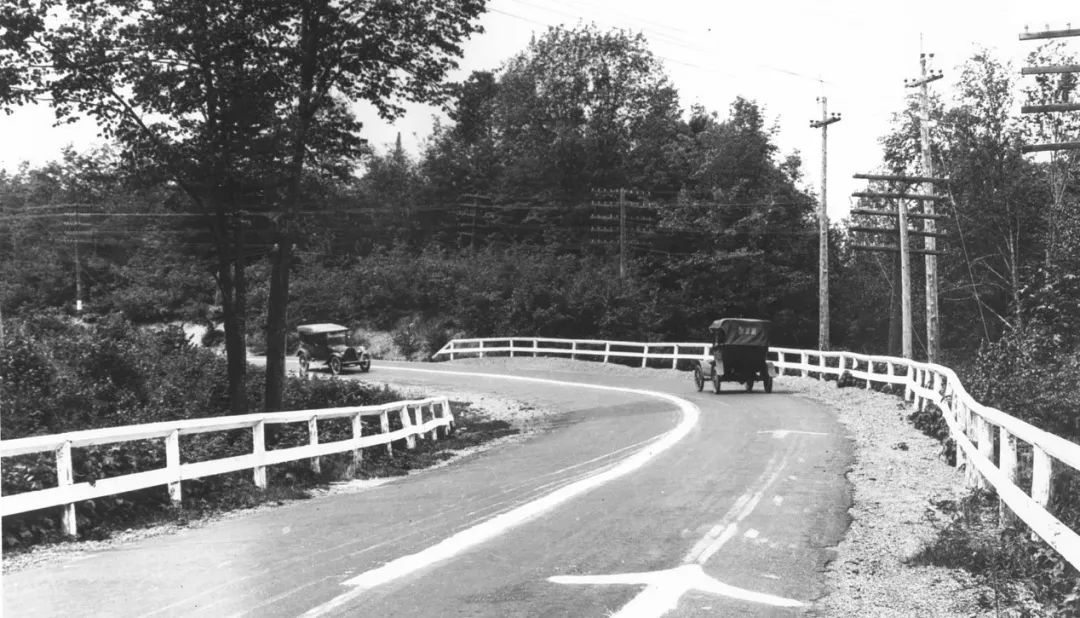
County Road 492 in Marquette County, Michigan, is known as the Dead Man's Curve by locals due to multiple car accidents that have killed people. The white centerline and whitewashed railings greatly reduce the accident rate and become the most eye-catching symbol of this section.

Although in Michigan, some dangerous sections began to use road centerlines to reduce accidents, drivers at the time still considered road markings unnecessary. There is a more exciting story about the popularization of road markings.


In 1917, June McCaroll, a female doctor in California, USA, proposed to the local Chamber of Commerce and the Board of Supervisors after she almost crashed on an unpainted center line. She has spoken on several important occasions, constantly emphasizing the importance of the center line and suggesting that all roads should be painted with markers, but her opinion has not been accepted. McCarroll didn't give up, and that year she hand-drew a white center line on California's Indio Boulevard to protest the inaction of the authorities and to call attention to the safety issues raised by lanes without boundaries. The California State Highway Commission finally adopted her recommendation and drew markings on 5,600 kilometers of roads. The crowd celebrated her civic heroism, naming a section of Interstate 10 "The Dr. June McCaroll Memorial Freeway."


Subsequently, more marker lines appeared on the road, but due to the lack of uniform specifications, the length of the marker lines varied in length, width, and color.
WeChat picture _20231110103429.jpg

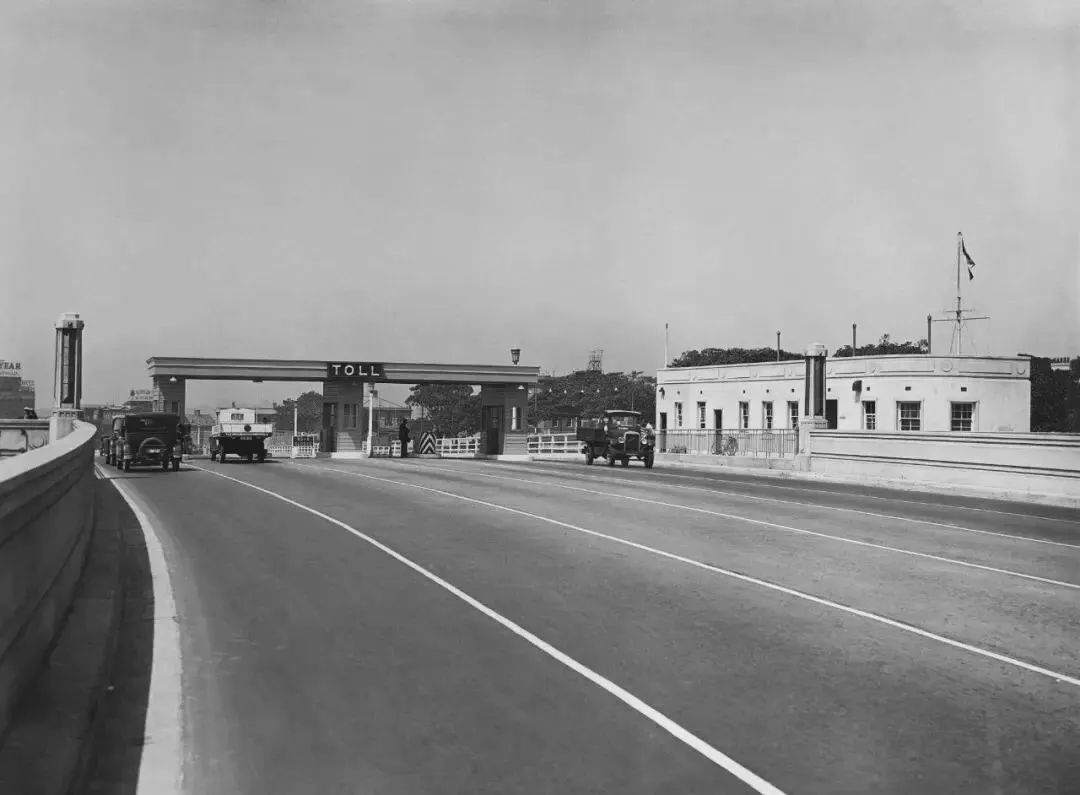
In 1932, the marker line near the Sydney Harbour Bridge toll booth.

It was not until 1935 that the first "Traffic Control Facility Manual" (MUTCD) in the United States was officially published, which recorded the American road marking regulations at that time, such as the color of the centerline could be white, yellow or black; Road markings should be between 4-8 inches wide; the length of the dotted line and the interval should be consistent, etc. These standards have been applied all over the world, making the marker line one of the world's most common transportation facilities.
WeChat picture _20231110103434.jpg

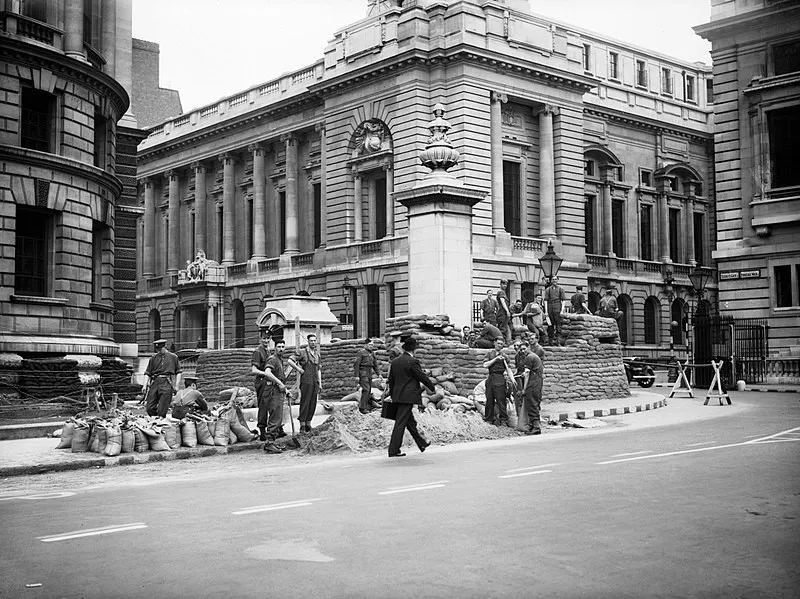
 In 1940, the sign line on the streets of London

In the following years, the specification of traffic sign lines became more and more perfect. In 1962, the MUTCD prohibited the use of white on the center line and established that all center lines must be painted in yellow. In 1993, the MUTCD introduced the concept of the minimum reflectivity of all road markings for the first time, laying the foundation for future reflective values of road markings.
WeChat picture _20231110103439.jpg

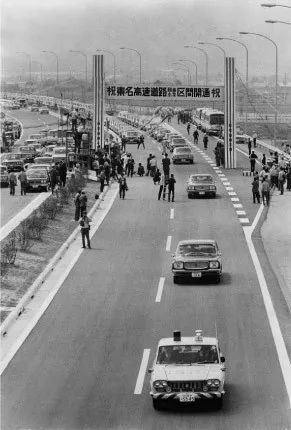
In 1968, the Tomei Expressway in Japan was opened, which shows that the marking line at that time was quite standardized

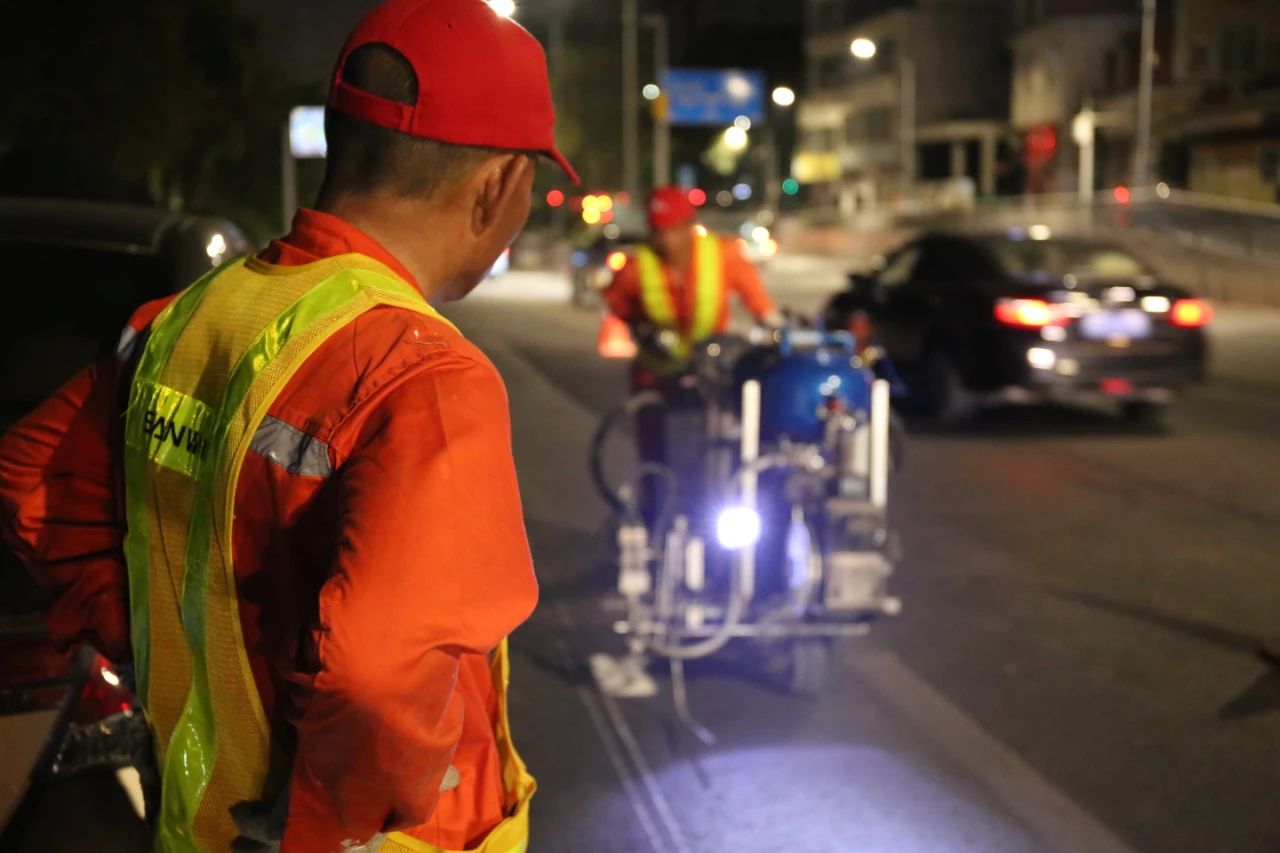
Today, road markings continue to play an important role in people's daily lives. At the same time, people's exploration of high-quality marking materials and construction processes has never stopped. New materials, new equipment, and new technologies are constantly introduced, and the requirements for marking life and reflection are also increasing. But we always remember that markings will always serve every traffic participant. Looking back on the history of more than 100 years, it is precisely because of the persistence and dedication of people that the public traffic environment has been improved, which is also one of the important symbols of the maturity of human society
WeChat picture _20231110103444.jpg

For Sanwin, inheriting this history is the driving force for the continuous pursuit of quality.


News
A Brief History of Road Markings

1911, Michigan, USA. Wayne County Road Commission Chairman Edward N. Hines was driving on the road with a truck transporting milk in front of him. Hines saw milk dripping down the road along the gap, forming a staccato white line. This led him to the idea of drawing a center line in the middle of the road to guide traffic in both directions.

This year, the first marker line of human registration appeared in Wayne County, Michigan. Hines thus became the fifth recipient of the George Bartlett Highway Progress Award.


Edward N. Hines

January 13, 1870 - June 4
, 1938

Chairman of the Wayne County Road Commission from 1906 to 1938, he is known as one of the greatest innovators in road transportation.


1In 1968, the Tomei Expressway in Japan was opened, which shows that the sign line at that time was quite standardized. In 917, engineer Kenneth Ingalls Sawyer was the first to paint a white centerline on the highway of County Road 492 in Marquette County, Michigan.


WeChat picture _20231110103420.jpg

County Road 492 in Marquette County, Michigan, is known as the Dead Man's Curve by locals due to multiple car accidents that have killed people. The white centerline and whitewashed railings greatly reduce the accident rate and become the most eye-catching symbol of this section.

Although in Michigan, some dangerous sections began to use road centerlines to reduce accidents, drivers at the time still considered road markings unnecessary. There is a more exciting story about the popularization of road markings.


In 1917, June McCaroll, a female doctor in California, USA, proposed to the local Chamber of Commerce and the Board of Supervisors after she almost crashed on an unpainted center line. She has spoken on several important occasions, constantly emphasizing the importance of the center line and suggesting that all roads should be painted with markers, but her opinion has not been accepted. McCarroll didn't give up, and that year she hand-drew a white center line on California's Indio Boulevard to protest the inaction of the authorities and to call attention to the safety issues raised by lanes without boundaries. The California State Highway Commission finally adopted her recommendation and drew markings on 5,600 kilometers of roads. The crowd celebrated her civic heroism, naming a section of Interstate 10 "The Dr. June McCaroll Memorial Freeway."


Subsequently, more marker lines appeared on the road, but due to the lack of uniform specifications, the length of the marker lines varied in length, width, and color.

WeChat picture _20231110103429.jpg

In 1932, the marker line near the Sydney Harbour Bridge toll booth.

It was not until 1935 that the first "Traffic Control Facility Manual" (MUTCD) in the United States was officially published, which recorded the American road marking regulations at that time, such as the color of the centerline could be white, yellow or black; Road markings should be between 4-8 inches wide; the length of the dotted line and the interval should be consistent, etc. These standards have been applied all over the world, making the marker line one of the world's most common transportation facilities.

WeChat picture _20231110103434.jpg

 In 1940, the sign line on the streets of London

In the following years, the specification of traffic sign lines became more and more perfect. In 1962, the MUTCD prohibited the use of white on the center line and established that all center lines must be painted in yellow. In 1993, the MUTCD introduced the concept of the minimum reflectivity of all road markings for the first time, laying the foundation for future reflective values of road markings.

WeChat picture _20231110103439.jpg

In 1968, the Tomei Expressway in Japan was opened, which shows that the marking line at that time was quite standardized

Today, road markings continue to play an important role in people's daily lives. At the same time, people's exploration of high-quality marking materials and construction processes has never stopped. New materials, new equipment, and new technologies are constantly introduced, and the requirements for marking life and reflection are also increasing. But we always remember that markings will always serve every traffic participant. Looking back on the history of more than 100 years, it is precisely because of the persistence and dedication of people that the public traffic environment has been improved, which is also one of the important symbols of the maturity of human society

WeChat picture _20231110103444.jpg

For Sanwin, inheriting this history is the driving force for the continuous pursuit of quality.


Copyright © 2020 Sanwin Traffic Equipment Co., Ltd. 

All rights reserved. Yue ICP No. 11004500


Official Online

WeChat Official Account


X