Road markings are an important part of traffic language by conveying important information such as right of way, directions, and warnings for traffic participants. To create long-lasting, high-quality markings, equipment, coatings, construction and glass beads are indispensable. In various comparisons, glass beads are often the object of overlook. Today, we'll summarize some of the key factors to see how the quality and use of glass beads affect the long-lasting reflection of the reticle.
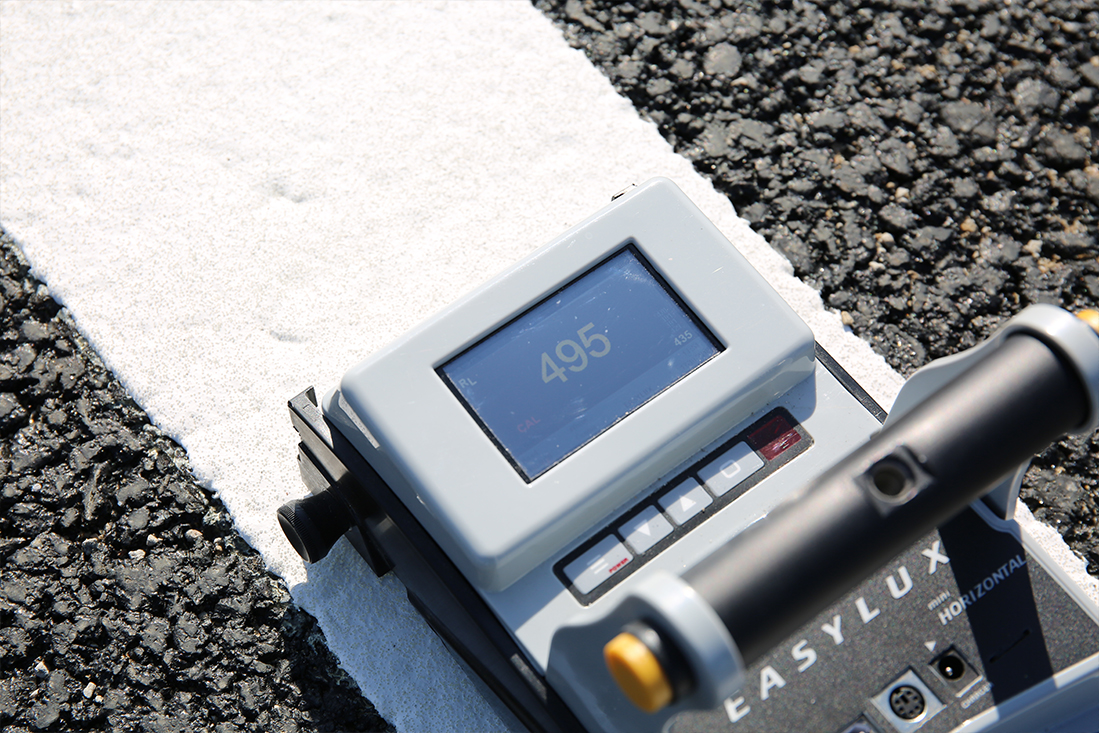
1. The roundness of the glass beads
The roundness of the glass beads directly affects the retroreflection coefficient of the road marking, which is directly proportional. Under the same conditions such as weather, equipment, and construction operations, the higher the roundness of the glass beads, the higher the retroreflection coefficient of the reticle, the better the reflection effect, and vice versa.
2. The refractive index of glass beads
The higher the refractive index of the glass beads, the more significant the reflection effect. According to the different refractive index (RI) of glass beads, glass beads are divided into high index glass beads, medium index glass beads and low index glass beads. At this stage, the refractive index of glass beads used in road markings in our country is generally about 1.50.
3. The material of the glass beads
Glass beads are crucial for the selection of raw materials, and the material of glass beads determines the density or specific gravity of glass beads. Under normal circumstances, the better the material of the glass beads, the greater its density or specific gravity, the higher the refractive index of the glass beads, the better the reflective effect of the reticle, and vice versa.
4. Production process of glass beads
The production process of glass beads for road markings is diverse, and the corresponding production processes and technical requirements are different, which affect the stability of glass bead quality, optical effect, color uniformity, reflective performance, etc. Therefore, when purchasing glass beads for road markings, you also need to understand its production process and consult more.
5. Surface coating requirements for glass beads
Chemically or physically coating the surface of glass beads with a specific coating can improve the performance of glass beads in a certain aspect and enhance the effect of their application. Therefore, it is necessary to choose the glass beads with the appropriate coating according to the paint, road conditions and reflective effect requirements.
6. The settlement of glass beads
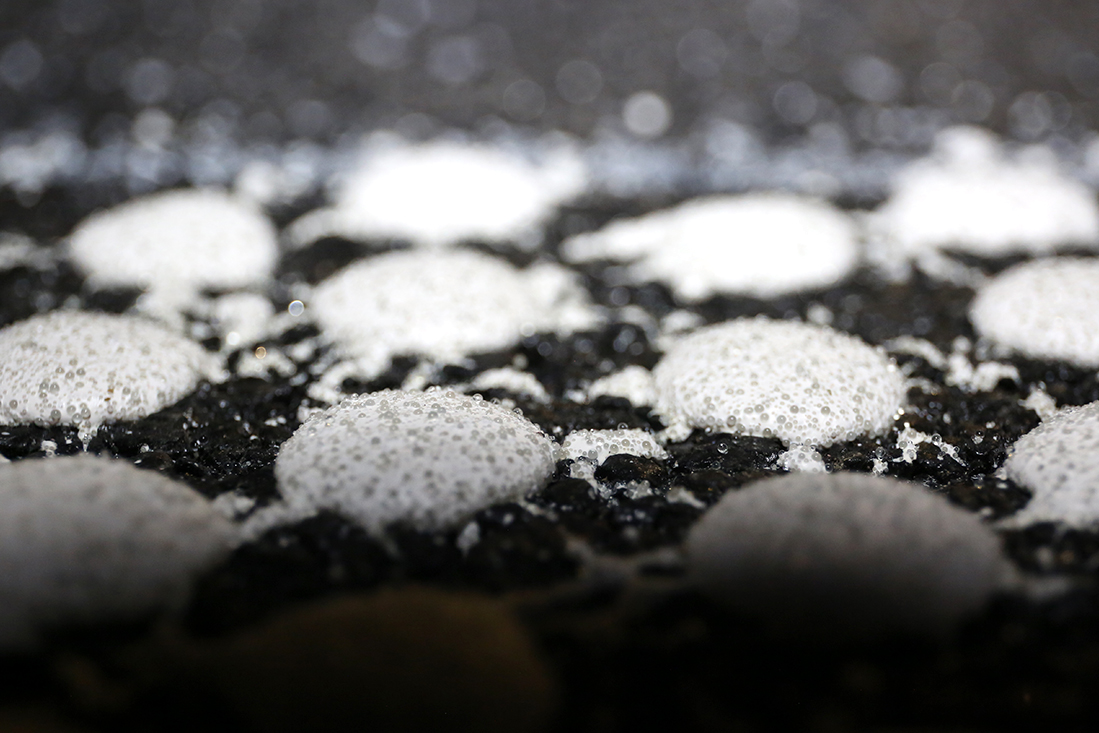
The degree of embedding of glass beads in the paint film has a certain function relationship with the intensity of regression reflection. Usually glass beads need to be embedded 50% of their diameter to ensure they don't fall off. However, the larger the volume of the glass bead embedded, the lower the reflectivity, so make sure that the volume of the glass bead immersed in the paint film is kept at 1/2~2/3 of the total volume.
7. The amount of glass beads spread
The amount of glass beads should be spread appropriately. If the amount of spreading is too small, there will be few reflective points and poor reflection brightness of the reticle. If the amount of spreading is too much, the glass beads are easy to stack, and the light is repeatedly refracted between the glass beads, which affects the reflection.
8. The particle size of the glass beads
The particle size of glass beads is also one of the factors affecting their reflective properties. The particle size of glass beads can be selected according to the actual road conditions, construction technology and thickness requirements.
9. The degree of adhesion between glass beads and paint
The adhesion between glass beads and paint is low, and the glass beads are easy to fall off. Even if the retroreflection coefficient just drawn by the reticle can meet the requirements, it can only maintain short-term reflective performance, the retroreflection coefficient decays quickly, and the reticle has poor long-term reflection. The tighter the glass beads and paint bond, the better the continuous reflection of the road markings.
10. The hardness of glass beads
The hardness level of the glass beads affects the long-lasting reflection effect of the markings. Under other conditions, the higher the hardness grade of glass beads, the less likely they are to be crushed and crushed, and the longer the long-lasting reflective life.
11. Corrosion resistance of glass beads
During the use of glass beads for pavement markings, they will be eroded by water, acid, alkali, salt, gas and other chemical reagents and solvents, and the resistance of glass beads to these erosions is one of the prerequisites to ensure the effectiveness of reflective markings. The better the corrosion resistance of glass beads, the longer the service life, and the better the long-lasting reflection effect of the reticle.
12. The use of internally mixed glass beads
The use of intermixed glass beads needs to be added in an appropriate proportion, and if the ratio is not suitable, it will cause problems such as poor reflective effect of the marking, poor long-lasting reflection effect, poor settlement effect, and easy cracking of the marking. To this end, it is necessary to test according to different road conditions, construction technology and thickness requirements to adjust the most suitable ratio to better display the reflectivity and durability of the markings.
13. Whiteness (brightness factor) of reticle paint
The whiteness of the reticle paint slightly affects the reflection. When using the same glass beads, the higher the whiteness of the reticle paint, the higher its retroreflection coefficient.
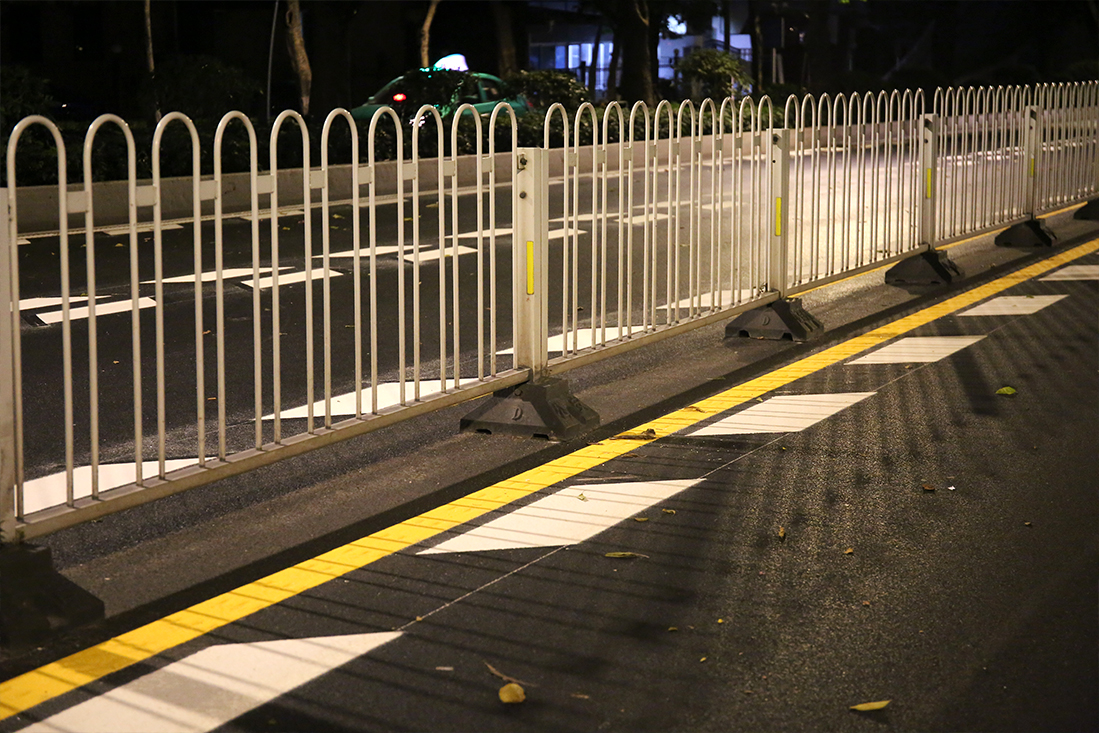
High-quality reflective road markings can bring more safety to pedestrians and drivers. And glass beads are a key factor in ensuring the visibility of road markings at night. What we need to think about is that in today's rapidly changing development of coatings, is there still room for improvement in the quality of glass beads? In the case of two-component marking life of up to 3~5 years, can the existing glass beads withstand the test of time? Should glass bead manufacturers be prepared for danger in times of peace, pay close attention to innovation and research and development, and really have a good horse with a good saddle? Good paint with glass beads, we are willing to work with partners from all over the world to face the new problem of long-lasting reflection in the marking line.