Concrete floors may seem solid, but the porous surface allows water and soluble contaminants to penetrate the structure, which will cause the floor to age. Aging of concrete floors can manifest as weathering, dirt, cracking, and peeling, among others. The use of floor coatings can form a protective film on the concrete surface, effectively slowing down the aging of concrete and reducing the risk of floor corrosion and damage. Common materials used in floor coatings include epoxy, polyurethane, polyurea, and acrylic.
Epoxy
It is a type of resin. A curing agent is added when used, and when the epoxy is mixed with the curing agent, it reacts to form a rigid material. Epoxy flooring generally bonds well to most substrates. However, epoxy resin is not UV resistant. Once exposed to direct sunlight, it can begin to show permanent damage due to photodegradation, including tarnishing, yellowing, chalking, and decomposition. In recent years, some progress has been made in delaying the degradation of natural light by epoxy systems, but these efforts still do not lead to permanent solutions.
Polyurethane
is a modified carbamate, sometimes referred to as a "modified epoxy". It is softer than epoxy and can likewise be made into matte or glossy floors.
Polyurea
is a tough, rubber-like material that is the result of the reaction of isocyanates with amine-based polyether resins. According to different isocyanates, they are divided into aromatic polyureas and aliphatic polyureas. Aromatic polyureas are sensitive to UV rays, just like epoxy resins. Aliphatic polyurea can resist color changes caused by sunlight exposure and is more expensive than aromatic polyurea.
Acrylic Acid
Used as a floor coating is generally based on methyl methacrylate (Methyl Methacrylate), which is cured with the help of organic peroxides. In addition to making floor paint, it is also the main component of two-component marking coatings.
All four materials are reactive coatings and require two- or multi-component construction. Moreover, their application is irreversible.
Epoxy
The flooring produced is the hardest of all flooring systems, and its durability makes it a preferred choice for heavy industry. However, epoxy systems do not have sufficient UV resistance, so they may not be a wise choice for ground exposed to direct sunlight for a long time. Epoxy resins are well resistant to most chemicals, such as sulfuric acid and gasoline, so they are often used in underground parking lots and auto repair shops. Although epoxy flooring materials are inexpensive, readily available, and simple to apply, they usually take up to 7 days to fully cure. If your flooring needs to be put into use immediately, it is best not to choose epoxy flooring.
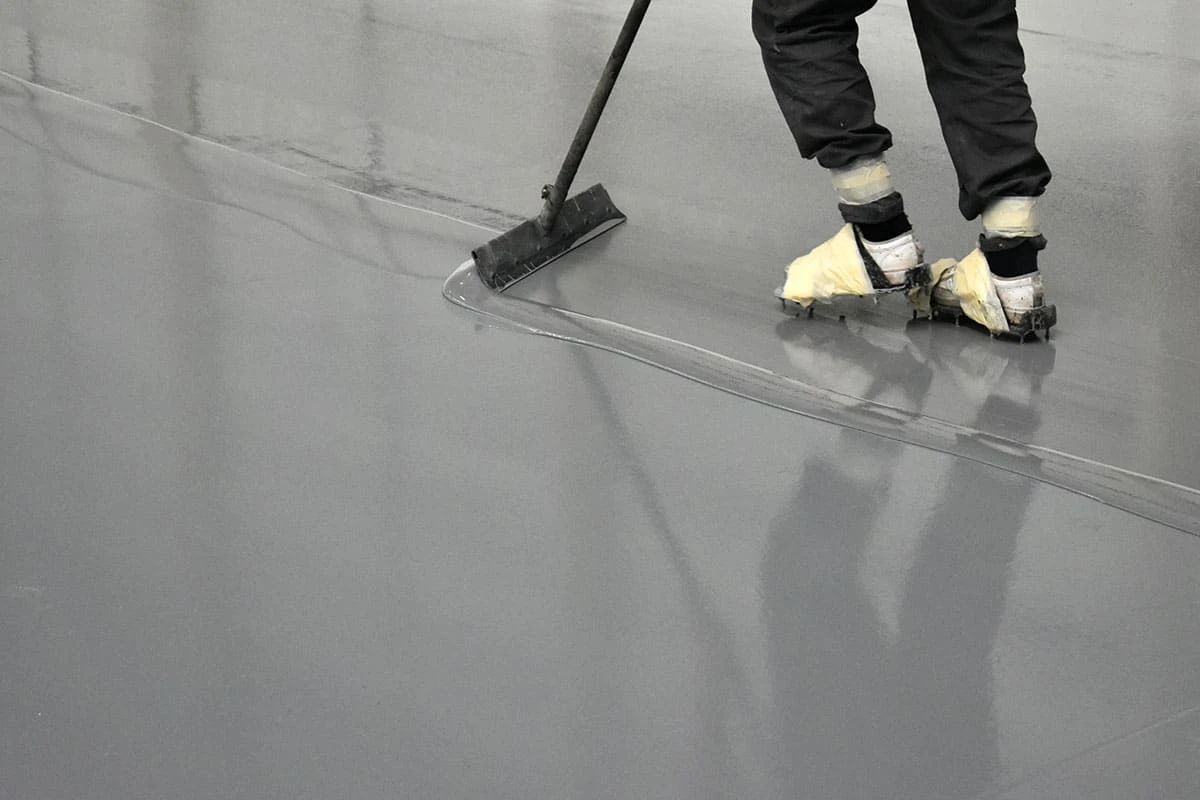
Polyurethane materials can be applied in low-temperature environments and have better toughness and are less brittle than epoxy resins. In terms of construction, polyurethane coatings have a faster curing time than epoxy flooring, but they have a shorter shelf life in barrels. In addition, polyurethane materials are hydrophilic. Unlike epoxy, polyurethane is UV-resistant and can be used outdoors or in direct sunlight.
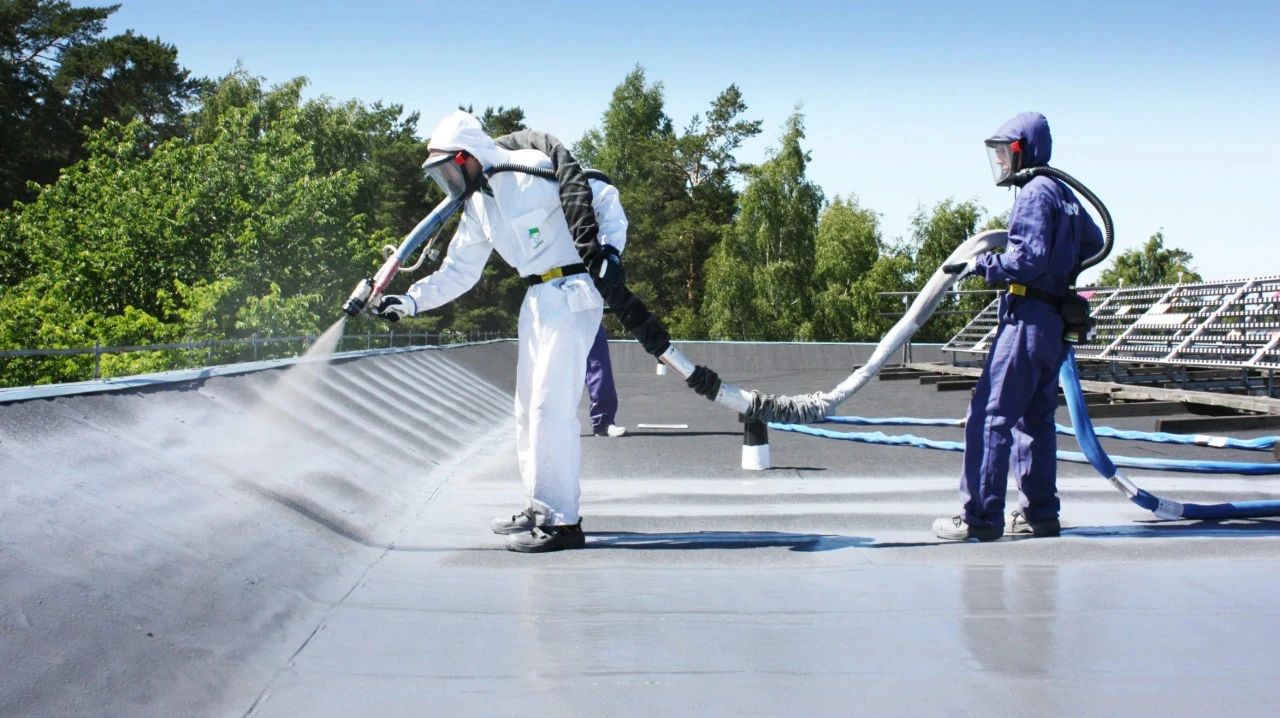
The construction of polyurea materials is the most difficult of all materials, and it is generally constructed by high-pressure thermal spraying. And because it cures very quickly, once there is a construction problem, you will face a long and expensive repair process. The advantage of polyurea material is that it can be used in a variety of temperatures. Especially when rapid construction is required in extreme environments, polyurea materials are the first choice. Aliphatic polyurea is UV resistant, while aromatic polyurea is sensitive to UV rays. Polyurea flooring can be put into use within 1 day after completion at the earliest. Generally, polyurea is more expensive than other types of flooring materials.
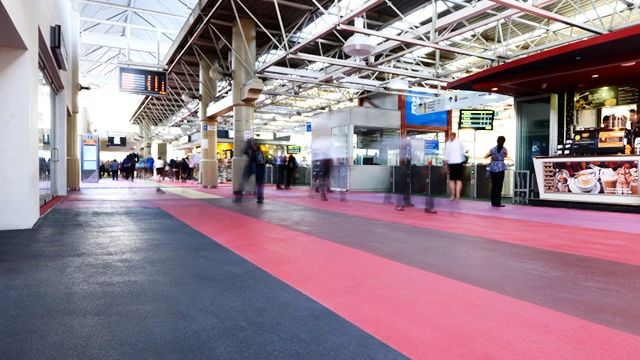
Acrylic
The material combines the advantages of the above four materials and has become a more commonly used floor coating. It can be used to mark lines or make floors on both cement and asphalt pavements. Acrylic material systems react with the initiator (curing agent) benzoyl peroxide (BPO) to undergo radical polymerization to form methyl methacrylate polymers with high toughness. The hard monomer in the system provides rigidity for the coating film and the soft monomer provides flexibility for the coating film, so that the paint film achieves a balanced combination of various physical and mechanical properties including tensile strength, tear strength, impact toughness, hardness, low temperature resistance and elongation at break。 It has two obvious advantages as a floor coating, one is the short curing time, and the other is that it can be applied at low temperatures. Acrylic materials are also UV resistant, can be used both indoors and outdoors, and are glare-free. Unlike polyurethane materials, acrylic is hydrophobic, which can provide better waterproof protection for concrete and has a longer service life. And, due to the excellent toughness of acrylic materials, it allows the substrate to move. Therefore, acrylic coatings are also suitable for filling and bridging minor cracks. However, acrylic flooring is not resistant enough to strong acids, and special cleaning agents and thinners provided by suppliers are required during the construction process. Acrylic paints are generally flammable, so care needs to be taken when working indoors and attention to ventilation.
Sanwin® color anti-slip pavement coating
Sanwin® color anti-slip pavement coating prefers imported resin pulp, the main material has been specially improved by Sanwin, aiming to provide a labor-saving, clean and long-lasting solution for concrete and asphalt pavement. Sanwin coatings are used to create a solid and dense monolithic surface for the floor, seal all cracks that could damage the ground, and adjust the coating thickness as needed. If additional anti-slip properties are required, quartz sand or ceramic particles can also be added. We accept customization in a variety of colors, whether it is decoration or protection, Sanwin coatings are your first choice.
If you need to use acrylic materials for floor construction, or if you have any questions about the construction of colored anti-slip pavement, please feel free to contact us.